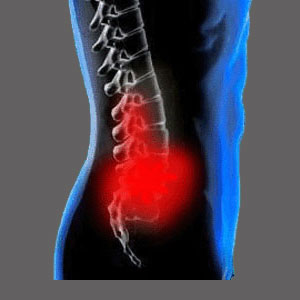
Lumbar spinal stenosis is the single most common form of central canal narrowing in the human spine. The lumbar region, also called the lower back, is noted as the most problematic location in the spinal column and also the area which suffers the most degenerative changes as part of its normal lifespan.
Lumbar degenerative processes all contribute to the possibility for symptomatic spinal stenosis and may include degenerative disc disease, spinal osteoarthritis and herniated discs in the majority of patients. As always, we must inform you all that mild to moderate spinal stenosis is normal to experience in the lower back and is not the usual source of pain or neurological symptoms, despite often being actively diagnosed as such. Advanced and severe cases of stenosis in the central canal of the lumbar region can certainly produce dreaded agony, including cauda equina syndrome.
This resource section provides the most pertinent information about lower back stenosis changes and how these may be responsible for sciatica, lumbar dorsalgia and other symptoms. The articles contained in this section provide detailed accounts of the causes, symptoms, diagnosis and treatment for lumbar stenosis concerns.
Lumbar Spinal Stenosis Dialogs
Here is a collection of dedicated articles detailing spinal stenosis in the lower back:
Lumbar foraminal stenosis is when the patency of the neuroforaminal spaces is decreased, potentially causing a pinched nerve in the lower back.
Lumbosacral spinal stenosis describes central canal narrowing right at the lumbosacral juncture of L5/S1.
Causes of lumbar spinal canal stenosis vary from patient to patient and may include normal degenerative changes, lower back injury or congenital predisposition.
Lumbar stenosis symptoms will typically only result from serious cases of stenosis. Many less narrowed spinal canals will be diagnosed as suffering from stenosis, when all along the structural changes are considered normal by more objective and less profit-driven doctors.
Lumbar spinal stenosis diagnosis is a less than accurate process in many cases, since although the physical indications of canal narrowing are easy to see, many cases are misdiagnosed as the actual source of pain.
Lumbar spinal stenosis treatment involves surgical and nonsurgical methods of care. Unfortunately, many patients who seek treatment are unsuccessful and some even suffer the terrible fate of failed spinal stenosis surgery.
Lumbar stenosis surgery offers many patients, who suffer from verified stenosis pain, the chance to find lasting relief. Sadly, statistics for general stenosis treatment using surgical intervention are not overly positive.
Lumbar stenosis exercises are often prescribed as part of a conservative care program for pain management and improved mobility.
Objective View of Stenosis in the Lumbar Spine
The lower back is the most susceptible region of the spine to degenerative conditions and it is absolutely normal that virtually all people will demonstrate mild to moderate central canal stenosis as they age. In these cases, the stenosis is rarely responsible for enacting any significant or chronic symptoms, but in more advanced versions of canal narrowing, the patient may suffer terribly.
In normal stenosis conditions, there may be other structural or nonstructural issues actually sourcing the current symptoms, including the chance of cervical spinal stenosis enacting lower body miseries, like sciatica. This is always crucial to remember, particularly for patients with long standing and unresponsive pain syndromes.

Lumbar Spinal Stenosis Conclusions
Being diagnosed with spinal stenosis in the lower back should never be a shock to anyone over the age of 50, especially if they have lived a full and active lifestyle. Mild and moderate stenosis issues in the lower back are not usually the source of pain, although statistically, many patients have been diagnosed as such. This explains why so many of these stenosis issues have not resolved despite active and seemingly indicated treatments. After all, if the therapies are not directed at the correct source, then they will never work. It is just common sense.
For advanced central stenosis issues in the low back, surgery may be needed to resolve cauda equina compression issues, often experienced at L4/L5 or L5/ S1. Read about some lesser known aspects of stenosis in the lower spine.
Spinal Stenosis > Lumbar Spinal Stenosis